 T-PACK
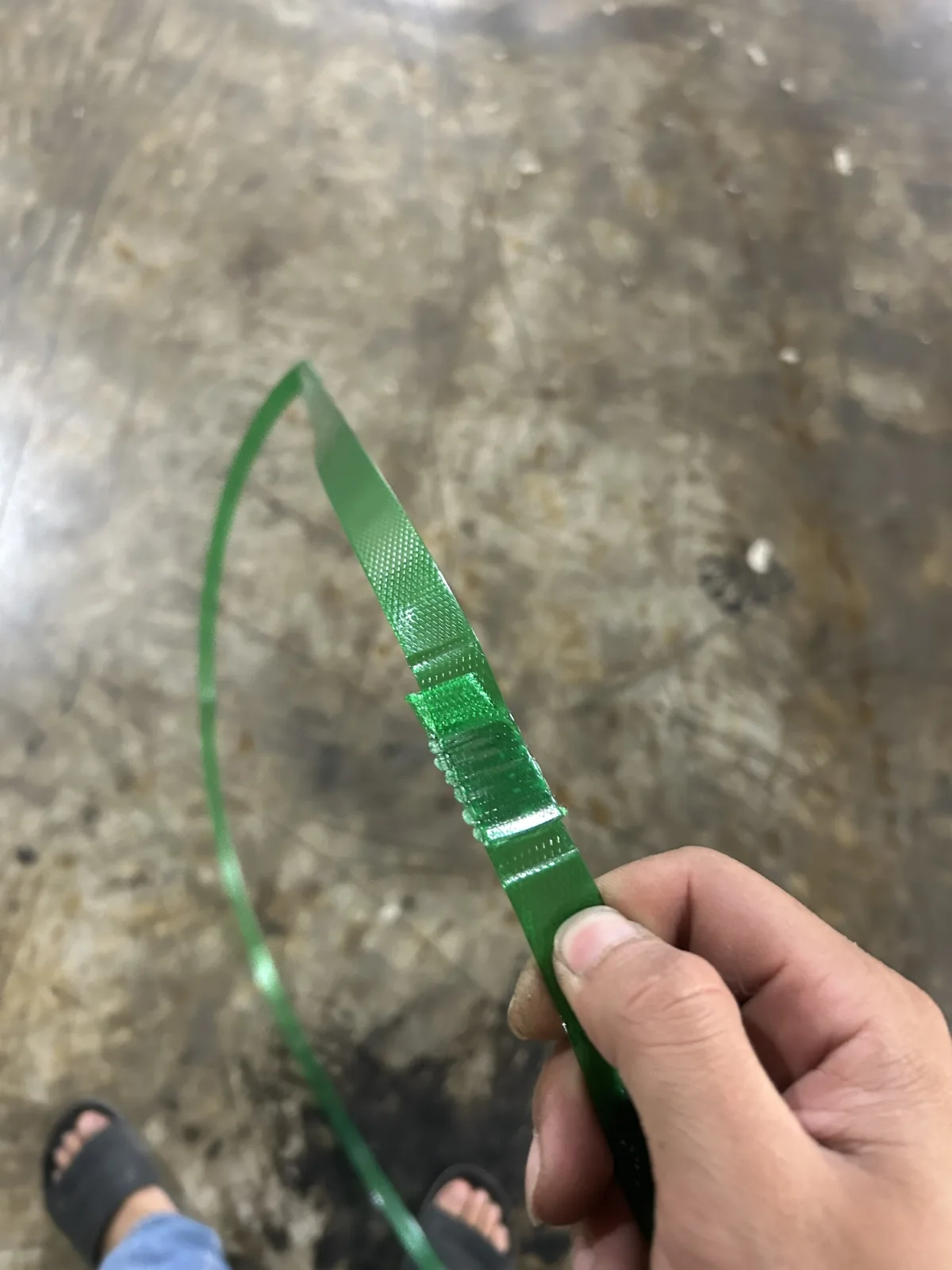
Belts PET Thailand
Thailand PET belt is a line of imported high-quality plastic straps, commonly used in pallet packaging, heavy goods and export goods. Thanks to the structure of Polyester (PET), th...
01 / 06 Product images
Tap an image to zoom · swipe to change view| Material | Plastic PET (Polyester) |
|---|---|
| Width | 9 mm – 25 mm |
| Thickness | 0.6 mm – 1.2 mm |
| Traction | 200 – 600 kg (depending on type) |
| Roll Specification | 20 – 25 kg/roll |
| Color | Green, Black, Red, Yellow |
| Wire Type | PET Plastic Straps |
| Application | Packing pallets, heavy goods, export goods |
| Machine Used | Battery strapping machine, pneumatic strapping machine, strapping tools |
Contact
Products
PET straps are specialized packaging materials for pallets, heavy packages, exports, and many industrial applications that require high and stable tightening force. Thanks to its good bearing properties, low elongation and ability to hold the tightening force longer than many common wires, PET straps are increasingly chosen by businesses to replace steel wires in many suitable cases.
At T-PACK, we offer PET belts for heavy packaging, export pallets, wood, brick, paper, metal and logistics industries. If you are looking for a belt that is durable, less stretchy, safer than steel wire and suitable for many strapping machines, this is a very worthwhile group of materials.
PET straps are plastic straps manufactured from Polyethylene Terephthalate (PET). It is a plastic with high mechanical strength, good tensile strength, and is often used in industries that require the ability to secure goods. Compared to PPstraps, PET straps tend to be stiffer, have better holding force, and are more suitable for heavy goods or large pallets.
In industrial packaging, PET straps are often used for packages where PP straps no longer respond well in terms of tightening force or stability when transporting long distances. That is also the reason why this strap is used a lot in exports, logistics and factories with large packaging loads.
It is no coincidence that PET straps are increasingly popular in the packaging industry. Compared to many other options, this line of straps has some very obvious advantages:
PET straps are widely used in many industries because they both ensure tightening force and have flexibility when packaging. Some common applications include:
If businesses often pack heavy goods, shake a lot or transport long distances, using PET straps correctly will help the package be significantly more stable.
One of the most common questions is whether to choose PET or PP. The answer directly depends on the cargo load and the actual requirements:
Simply put, if the boss's goods are lightweight, basic packaging requirements, PP straps are still a reasonable choice. But if it is heavy pallets, export goods, industrial goods, or high tightening force, PET straps are usually a more suitable choice.
Depending on the manufacturer and the purpose of use, PET straps can have many different specifications. In the market, the parameters that are often of interest include:
When choosing a rope, you should not only look at the thickness. In fact, the quality of the resin, the uniformity of the rope and the level of stability when running the machine also greatly affect the efficiency of use.
If you want to choose the right PET straps, you should rely on 4 main factors:
This is a point that many people often overlook. There are many cases where strapping machines run unstably not because the machine is broken, but because they choose the wrong wire or use an uneven quality wire.
PET straps are gradually becoming more popular because they simultaneously meet 3 factors: tightening force, safety, and economy. Compared to steel wires, this line of wires is lighter, safer to handle, and in many applications still ensures good cargo fixation. Compared to PPwires, PET stands out for its load-bearing capacity and stability when transporting heavy goods.
For businesses that need to optimize packaging but still ensure the safety of goods and workers, this is a very worthy material line to consider.
T-PACK provides PET straps for a variety of packaging needs, from heavy pallets to export goods. We provide advice according to the right load, type of machine in use and actual operating conditions, helping customers choose the right strap instead of just choosing by price.
See more related solutions at T-PACK and refer to more information about PET materials at Polyethylene Terephthalate.
Yes. This is one of the most common applications of PET straps, especially with pallets, industrial goods, and export goods.
In many suitable cases, yes. PET wires are often chosen to replace steel wires due to their good tightening force, safer to operate, and no rust.
Yes, but it is necessary to choose the right specifications according to each type of machine or belt tightening tool being used.
If the goods are light, PP straps can be an economical option. If the goods are heavy, the pallet is large, or a more stable tightening force is needed, PET straps should be prioritized.
Products
Thailand PET belt is a line of imported high-quality plastic straps, commonly used in pallet packaging, heavy goods and export goods. Thanks to the structure of Polyester (PET), th...
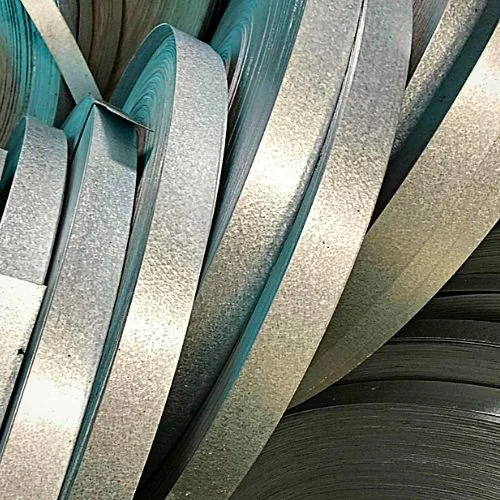
This is a type of steel strap produced from tempered steel, then coated with zinc to increase rust resistance. Compared with oil steel wire, the galvanized type has a greater advan...
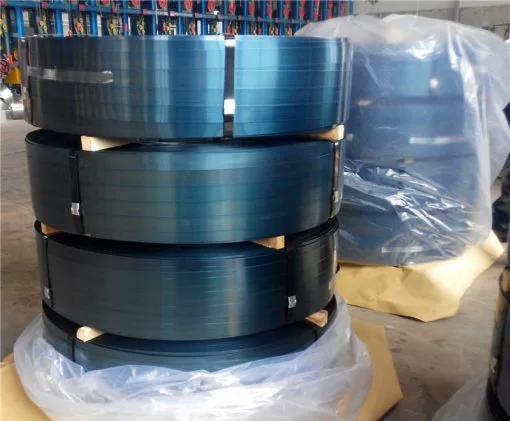
Oil Steel Straps are specialized packaging materials manufactured from tempered steel and surface treated with anti-oxidation oils. The product is widely used in the packaging of p...
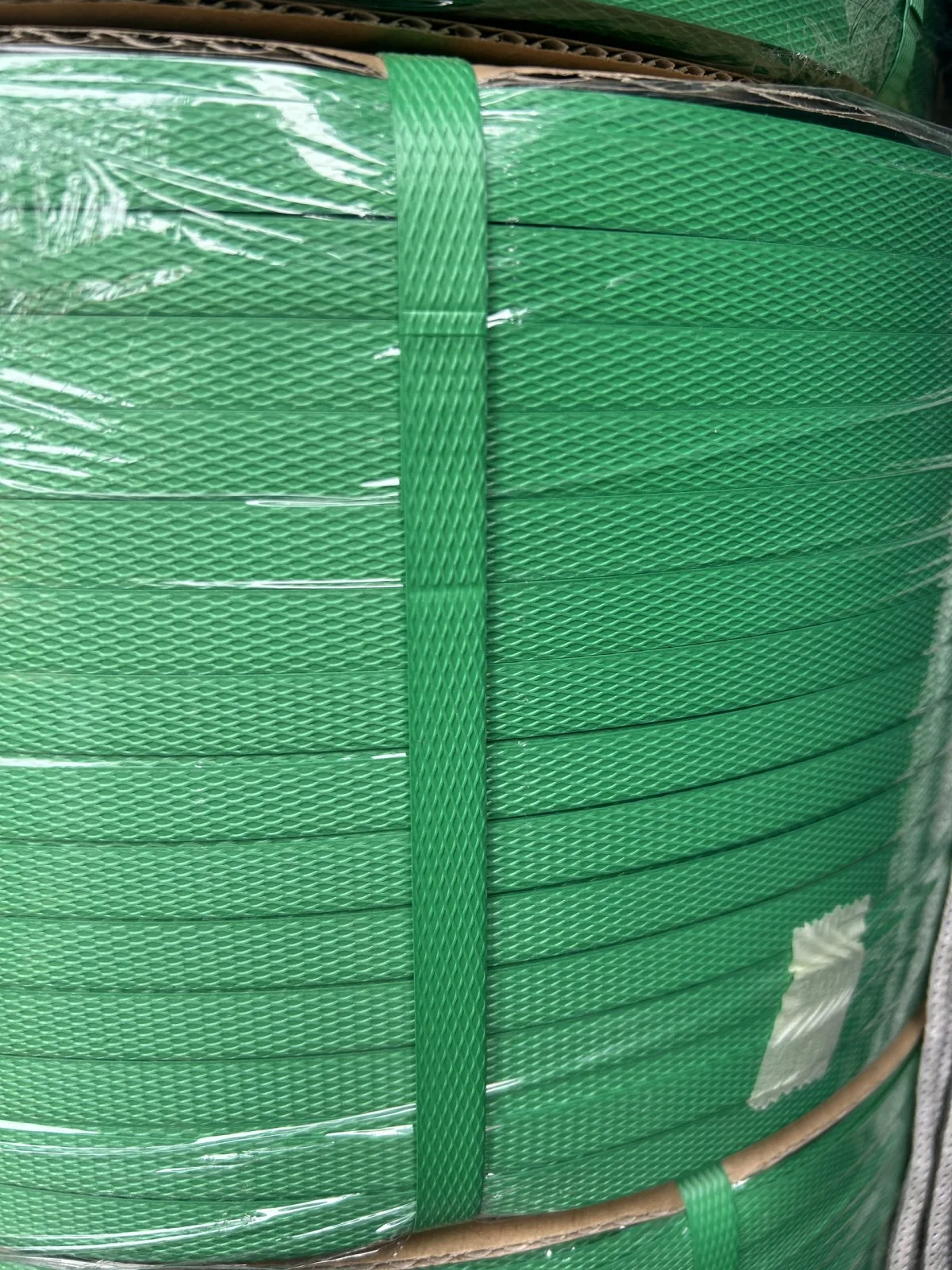
Green PP Plastic Straps are specialized packaging materials that are widely used in automatic and semi-automatic strapping machine systems. With the characteristics of stability, e...